Your Rent Includes Bills… But Are You Being Overcharged?

Key Facts
- Over 25 percent of UK renters are in bills-included tenancies
- Many landlords charge flat rates that exceed real usage
- Tenants rarely receive itemised bills or proof of utility costs
- Overcharging may breach consumer protection laws
- Shared homes and HMOs are the most affected
🧠 Introduction
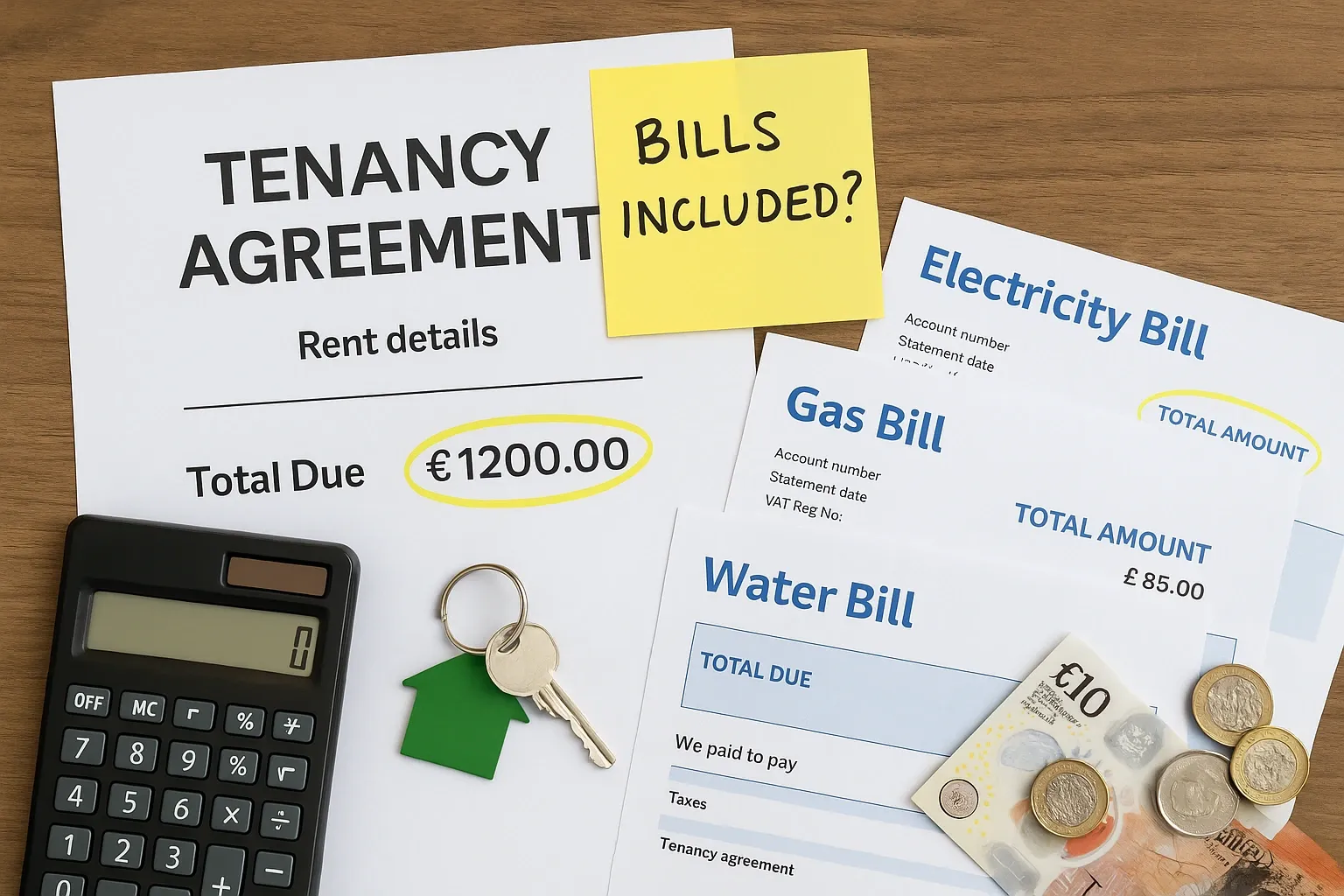
Bills included in your rent sounds like a good deal. You know what to expect each month and don't have to chase flatmates for payments.
But what if you're paying far more than the actual utility usage? Many renters in the UK are unknowingly footing inflated charges, hidden within one neat monthly number.
Let’s unpack how bills-included rent works, what landlords are allowed to do, and how you can check if you're being overcharged.
1. Why Landlords Offer Bills-Included Rent
It’s a selling point for many renters. All-inclusive rent can:
- Attract students and first-time renters
- Simplify monthly budgeting
- Prevent arguments over shared expenses
- Create space for landlords to add profit
Note: While flat-rate billing is legal, it must still be reasonable and transparent.
2. You Could Be Paying Too Much
Let’s say your landlord adds £150 per month for utilities. If your actual usage is closer to £80, that’s £840 a year gone.
Here’s how to tell if your bills are higher than necessary:
- You're charged the same amount every month regardless of usage
- You’ve never seen a breakdown of the bill
- Your property has energy-efficient appliances but the charge seems high
- There’s no mention of limits or caps in the agreement
- Your neighbours in similar homes pay significantly less
3. What Should Be Included?
Bills-included rent typically covers:
- Gas
- Electricity
- Water
- Broadband
- Council tax (unless you're exempt)
If extras like cleaning or streaming services are added, they must be clearly stated in your tenancy agreement.
Tip: If it's not in writing, it should not be in your rent.
4. Can Landlords Mark Up Bills?
Yes, but only if the amount is fair and makes sense for the property's size and usage. Excessive or unclear markups may breach:
- Consumer Protection from Unfair Trading Regulations
- The Tenant Fees Act 2019
- Fair contract laws
You have the right to ask for clarification and a breakdown of charges. If a landlord refuses, that may be a red flag.
5. What To Do If You Suspect Overcharging
- Ask your landlord for a breakdown of the utility charges
- Compare those figures with current market averages
- Use your council's tenancy support service if you need guidance
- Reach out to Citizens Advice or Shelter UK for tenant support
- If needed, apply to a rent tribunal or challenge the fee legally
Important: If you live in a house share or HMO, landlords must follow extra rules when setting and collecting bills-included rent.
Paying Too Much for Convenience?
Matchouse helps you rent smart. Ask questions, check landlord reviews, and get the full picture before you commit.
Protect Your Rent