What to Expect When Selling Your Home: A Step-by-Step Seller Guide

Key Facts
- Selling a home in the UK typically takes 12–18 weeks from listing to completion.
- The process involves legal checks, marketing, negotiations, and conveyancing.
- Being prepared with documents like the EPC and TA6 form can speed up the sale.
- Working with trusted agents and solicitors makes the process smoother.
- Delays often occur due to missing paperwork or slow chain movement.
🏡 Introduction
Thinking of selling your home? Whether it's your first sale or your third, the process involves multiple steps — and knowing what to expect can help you stay in control.
This step-by-step guide will walk you through the key stages of selling your property in the UK, from prep to completion.
1. Get Your Documents in Order
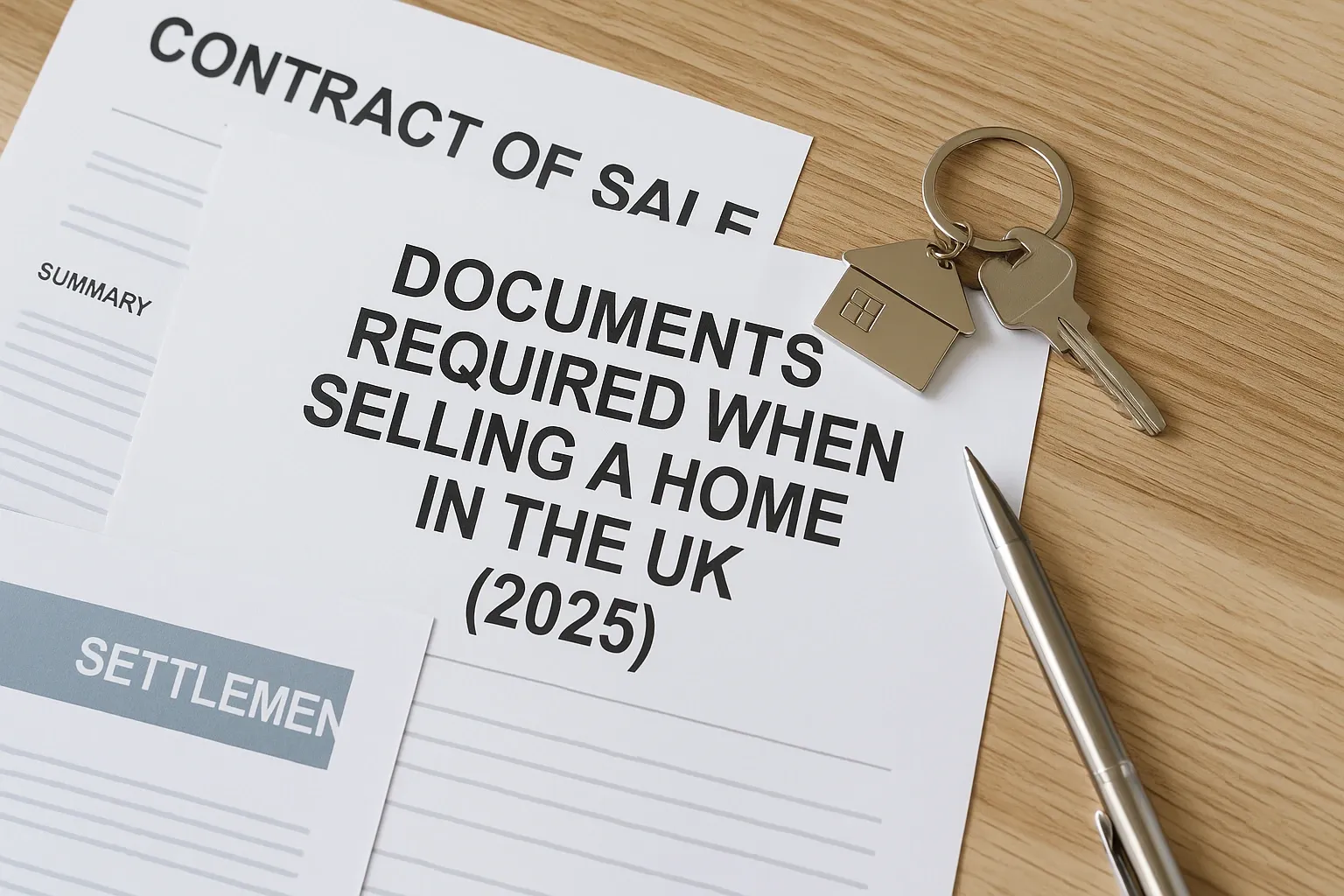
Before anything else, gather all the paperwork you'll need. This includes proof of ownership, ID, your Energy Performance Certificate (EPC), and the TA6 & TA10 forms.
Note: Missing documents can cause major delays, especially if your buyer's solicitor raises questions that you can’t answer quickly.
2. Arrange a Property Valuation
You can either use an estate agent, hire a surveyor, or use online valuation tools for an initial idea. Accurate pricing is crucial to attracting genuine buyers without undervaluing your home.
- Overpricing can stall your listing
- Underpricing may lead to lost value
- A local agent can advise based on market trends
3. Choose How to Sell
You’ll need to decide whether to sell through an estate agent, online platform, auction, or privately.
| Selling Method | Pros | Cons |
|---|---|---|
| Estate Agent | Full support and local expertise | Commission fees apply |
| Online Platform | Cost-effective, wide audience | You handle more of the process |
| Auction | Fast and secure | Might sell below market value |
| Private Sale | No agent fees | Legally and administratively risky |
4. Instruct a Solicitor or Conveyancer
Once your property is listed, it’s wise to appoint a solicitor early. They will handle:
- Drafting and sending the contract pack
- Responding to buyer enquiries
- Managing legal searches and checks
- Organising exchange and completion
TIP: Choose someone experienced in residential property sales and with good online reviews or recommendations.
5. Prepare Your Home for Viewings
Presentation matters. A well-maintained, clutter-free home creates a strong impression.
- Deep clean all areas
- Fix minor issues like leaky taps or squeaky doors
- Stage your home with neutral decor
- Let in natural light and open windows for freshness
6. Accepting an Offer
Once you receive an offer, you can:
- Accept it
- Reject it
- Negotiate
Important: Accepting an offer is not legally binding until exchange of contracts, so both parties can still withdraw.
7. Drafting Contracts and Legal Checks
Your solicitor will now issue a draft contract and begin responding to the buyer’s solicitor’s enquiries. This part includes:
- Reviewing searches
- Handling leasehold queries (if applicable)
- Agreeing timelines and exchange terms
8. Exchange of Contracts
Once both sides are happy, contracts are exchanged. At this point:
- The buyer pays a deposit (usually 10%)
- The completion date is fixed
- The sale becomes legally binding
9. Completion Day
On the agreed date, your solicitor will:
- Confirm funds have been received
- Pay off any remaining mortgage
- Transfer ownership
- Hand keys over to the buyer
TIP: Make sure your home is cleared and cleaned before you hand over the keys. It’s a small effort that leaves a great final impression.
🎯 Final Checklist
- Ensure all documents are available and valid
- Choose a reputable solicitor and agent
- Price realistically and prepare your home
- Respond quickly to legal enquiries
- Be flexible and ready for delays in the chain
Ready to Sell? Get Started with Matchouse
List your home or request trusted help from local agents, conveyancers, and moving professionals — all in one place.
List My Home Now