Renters’ Rights Bill 2025: What Landlords and Tenants Must Know

Key Facts
- The Renters' Rights Bill 2025 is currently under parliamentary review and could become law by summer.
- It aims to improve tenant protections while placing new compliance requirements on landlords.
- The bill may introduce limits on rent hikes, stricter eviction rules, and mandatory property standards.
- Landlords could face penalties for non-compliance, including fines and legal challenges.
- Tenants will have new avenues to challenge unfair rent increases or poor property conditions.
What Is the Renters’ Rights Bill?
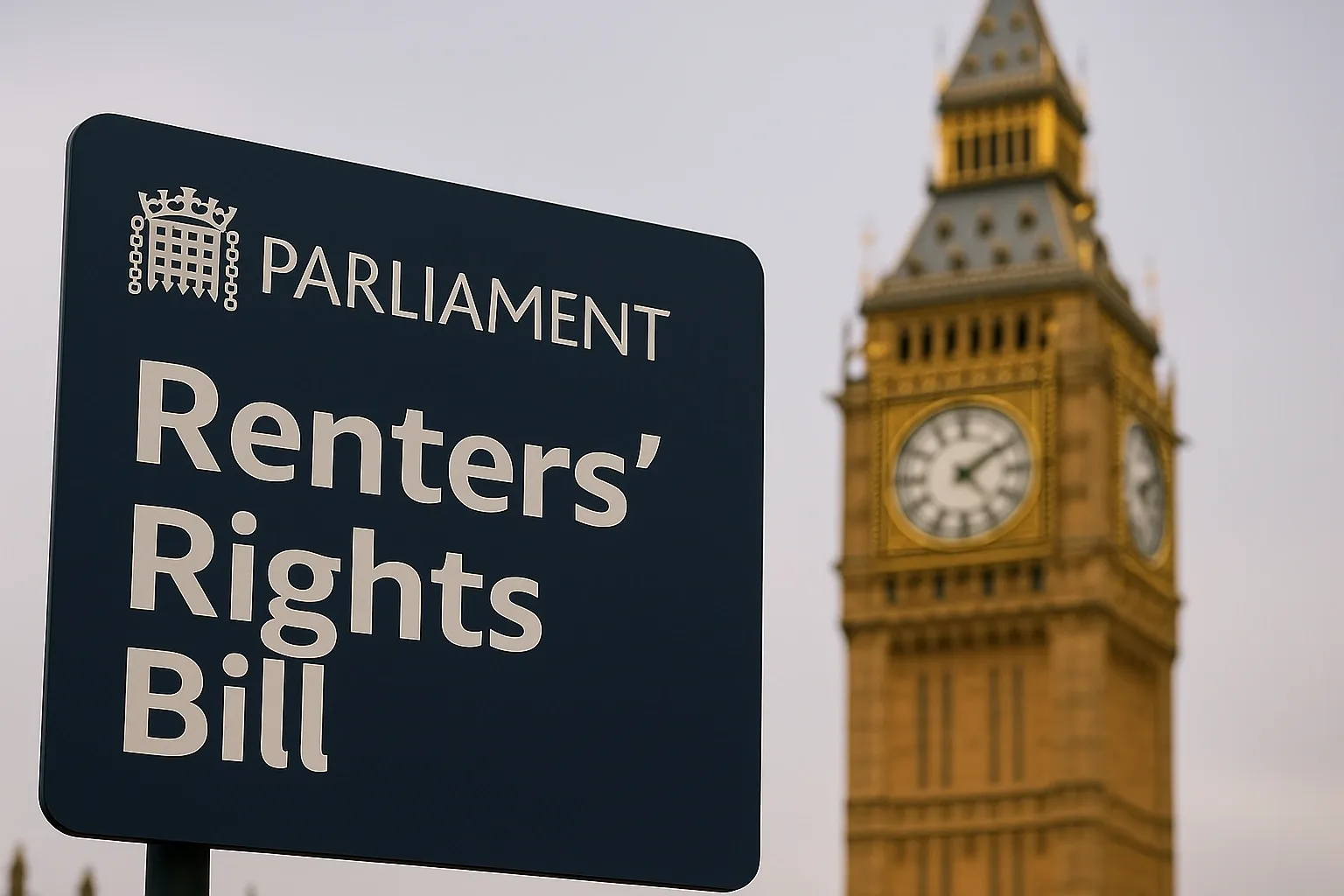
The Renters’ Rights Bill is a sweeping piece of legislation currently under discussion in Parliament. Its purpose is to rebalance the rental market in favour of tenants, amid growing affordability concerns and record repair complaints.
Note: While the bill has not yet become law, its provisions are gaining wide political and public support.
What Could Change?
Stronger Protection from Eviction
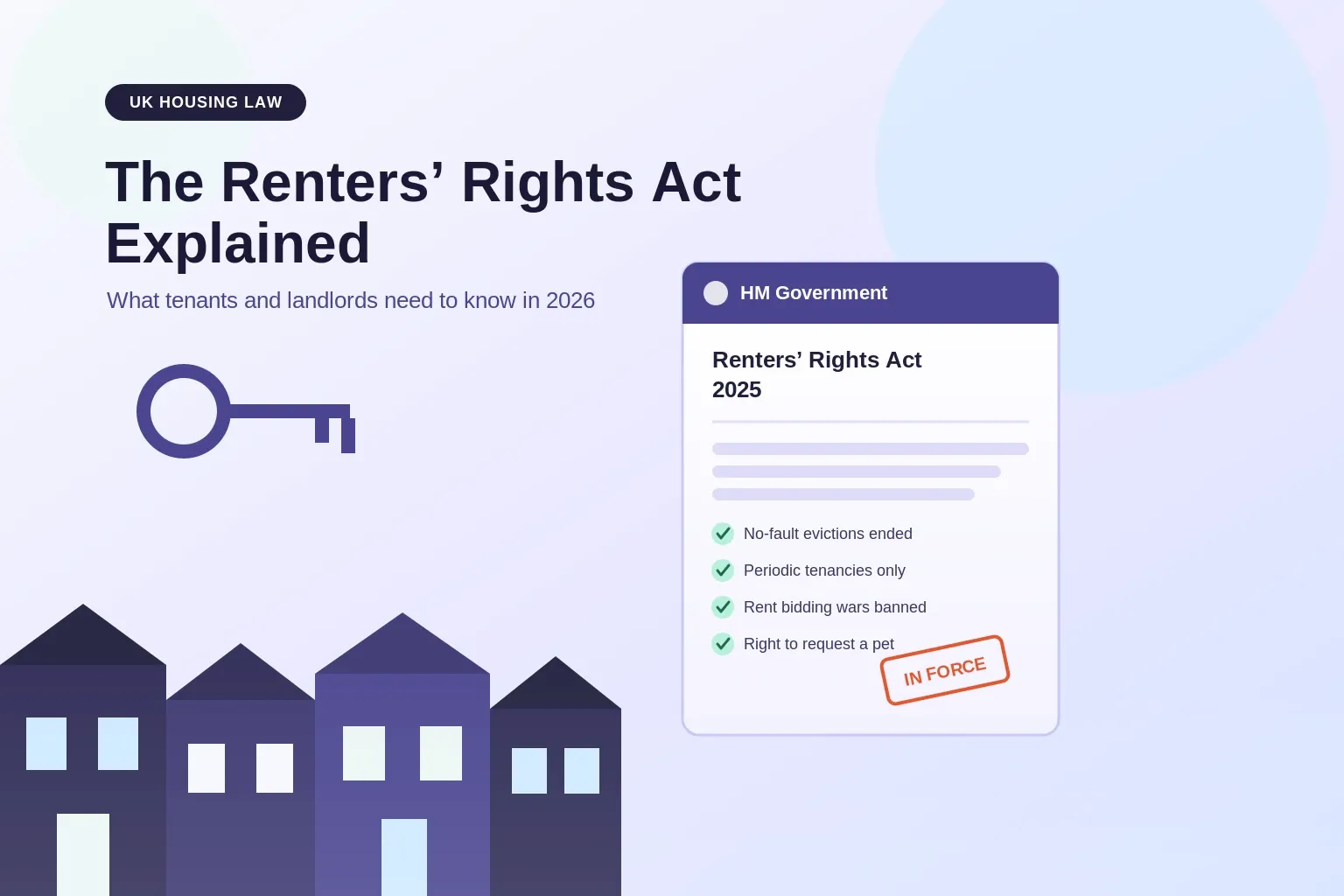
The bill proposes stricter conditions for Section 21 (no-fault) evictions, potentially replacing it with more structured notice periods and clearer justifications.
Limitations on Rent Increases
Landlords may be limited to one rent increase per year, with tighter rules on notice periods and justification.
- Annual rent caps may be introduced based on inflation.
- Landlords must notify tenants in writing with advance notice.
- Tenants may get access to formal challenge processes via a new Rent Tribunal.
Minimum Property Standards
Properties will need to meet defined health and safety benchmarks. Failure to comply could lead to automatic rent refunds or bans on new tenancies.
What This Means for Landlords
- New responsibilities for keeping homes in liveable condition year-round.
- Documentation and photographic evidence may become mandatory during inspections.
- Possible penalties for unjustified rent increases or delays in repairs.
Disclaimer: Ignoring the bill’s proposed standards could result in civil penalties or suspension from the rental market.
What Tenants Gain
- The right to challenge rent increases through a formal process.
- Stronger protection from eviction without cause.
- Clearer legal expectations for repairs and property conditions.
Navigating Renting in 2025?
Use Matchouse to connect with trusted, compliant landlords and service professionals who follow the latest regulations.
Find Verified SupportReal Examples: Tenant Challenges on the Rise
A recent report from Landlord Today shows that over 50% of tenants are ready to contest rent hikes when this bill becomes law. This signals a clear shift in power, with renters more aware of their legal rights.
| Challenge Area | What Tenants Can Do | What Landlords Must Do |
|---|---|---|
| Rent Increases | Appeal via tribunal | Provide justification, follow limits |
| Repairs | File formal complaints | Complete works within timelines |
| Evictions | Demand cause notice | Prove breach or valid reason |
How to Prepare for the New Law
- Review all tenancy agreements and ensure clauses align with proposed rules.
- Perform a full compliance audit of your rental properties.
- Improve communication with tenants to reduce future disputes.
- Consider legal advice for more complex property portfolios.
Related Article
Final Thoughts
This bill may still be evolving, but its direction is clear: tenants will gain more rights, and landlords must raise their standards. The time to prepare is now not after the law passes.