Google AI Mode – How to Keep Your Website Visible in 2025

Key Facts
- Google’s AI Mode replaces search links with direct AI-written summaries.
- Some websites have already reported over 50% drop in clicks.
- Sites not cited in AI summaries risk losing visibility and revenue.
- SEO now requires EEAT signals, schema markup and content clarity.
- Structured data and optimised intros are key to being featured in AI results.
What is Google AI Mode?
Google’s new AI Mode changes how people use search. Instead of showing ten blue links, it creates a full summary of the answer directly on the page. That means fewer people click through — even when your site ranks.
TIP: Pages with strong structure, subheadings and citations are more likely to be featured in AI summaries.
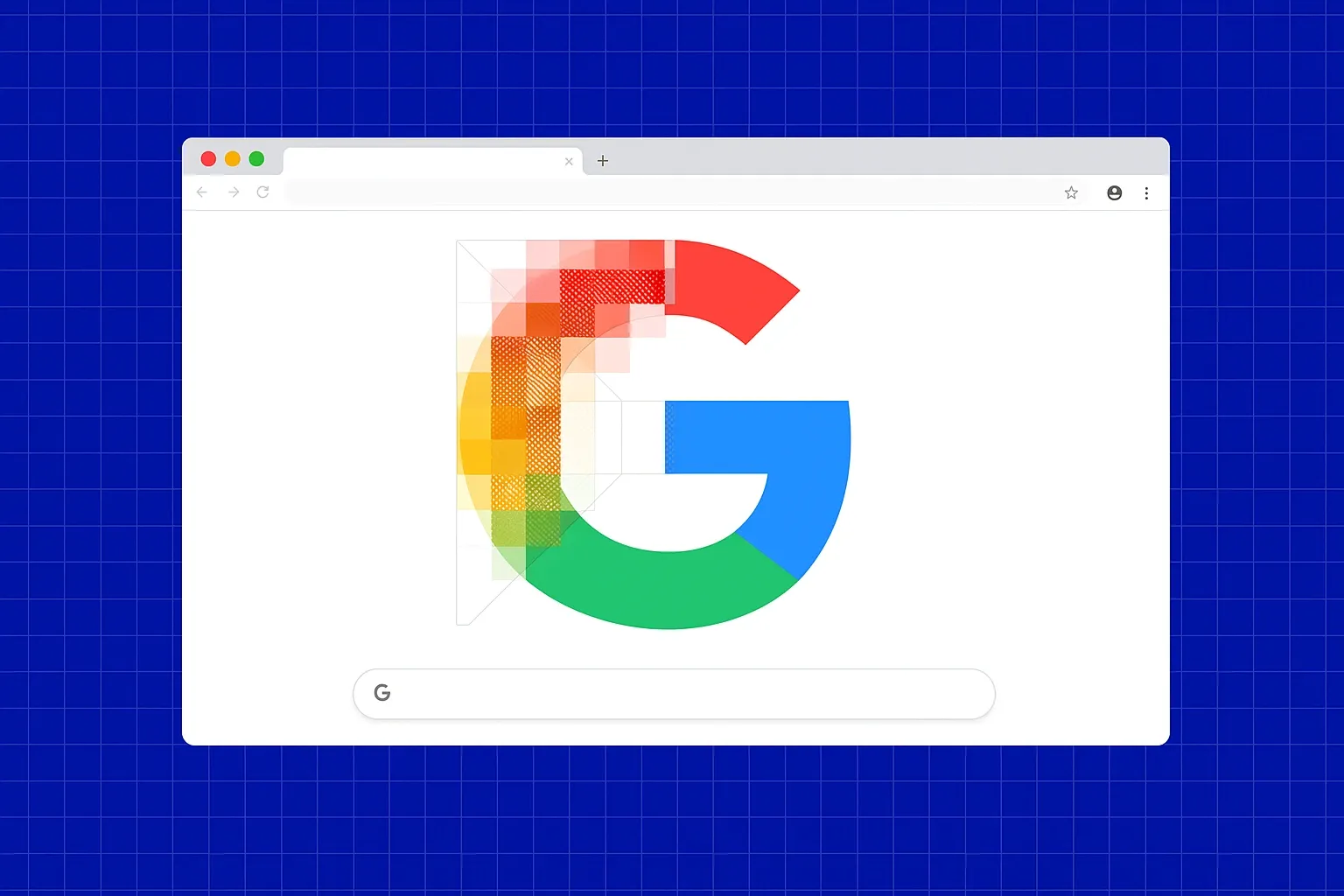
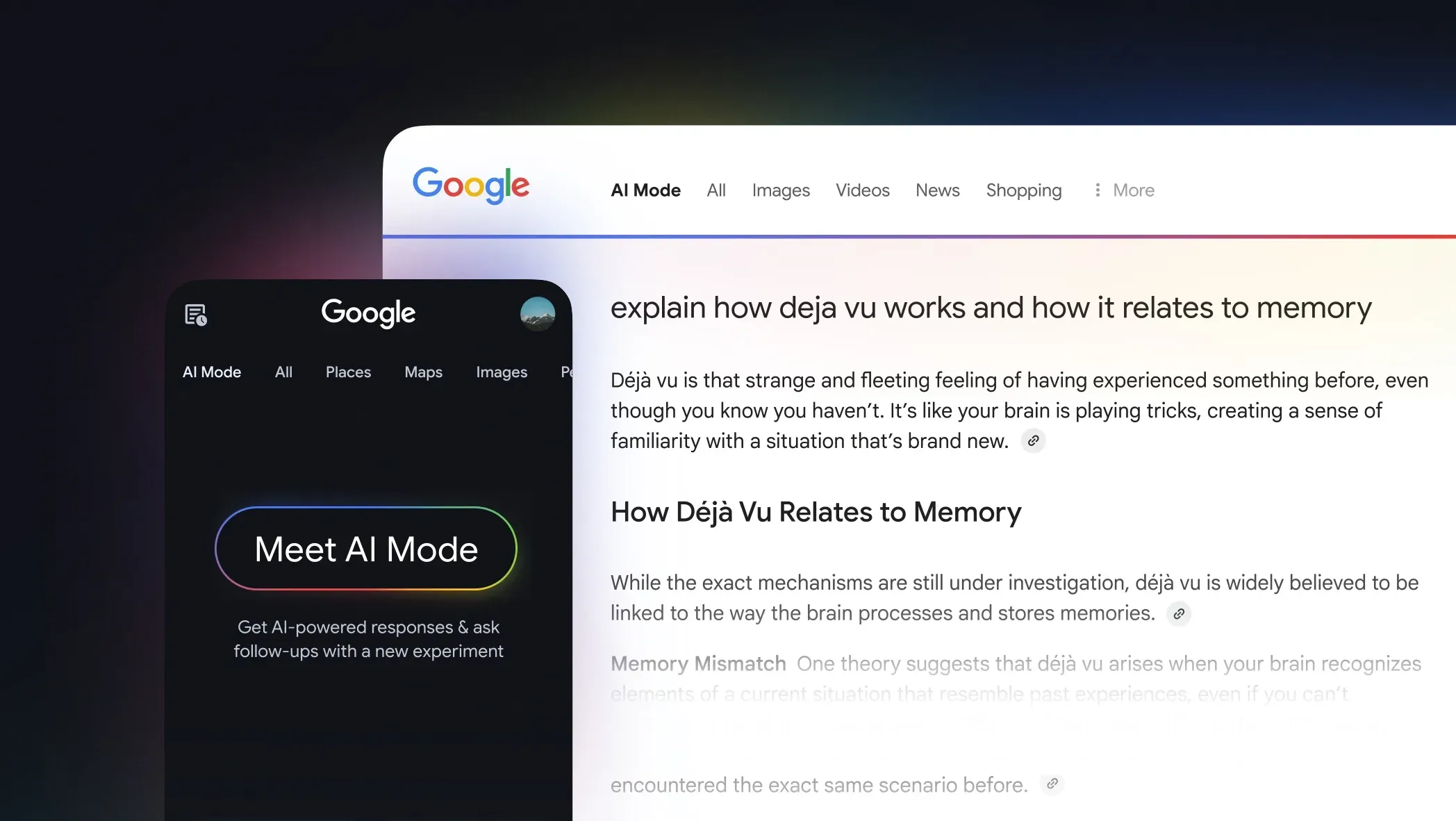 Google’s evolving search interface, with AI summaries replacing traditional link-based results, signals a major shift in how users consume online content.
What’s Already Happening?
Websites like housefresh.com report rising impressions but falling clicks because users see their name, but get the answer without leaving Google.
Note: If your content isn’t clearly structured, Google’s AI may skip over it even if it ranks well in classic search.
The Risks for Publishers and Online Businesses
- Drops in web traffic reduce leads, revenue and visibility.
- Even top-ranked content can go unseen due to zero-click searches.
- If you’re not cited in the AI summary, your site may lose relevance.
Worried About Losing Traffic?
Matchouse professionals can audit your website for AI-readiness, improving SEO structure, schema and trust signals.
How AI Mode Changes Google Search
| Classic Google | Google AI Mode |
|---|---|
| List of ranked links | AI-generated summary with follow-ups |
| Users click to explore | Users stay on Google for answers |
| SEO ranks content | Structure and authority influence summary |
| Ads on side | Ads may appear inside summary panels |
TIP: Your opening paragraph might appear in the AI summary. Write with clarity and fact-based intros, and use schema markup to help AI understand your content.
Want to Stay Ahead of Google Changes?
Hire Matchouse pros to make your content AI-compatible, structured and future-ready.
What the Numbers Say
Risks and Rewards for Publishers
| Risk | Opportunity |
|---|---|
| Fewer site visits | Become the trusted source in summaries |
| Lost ad revenue | Monetise via email, events or membership |
| Content scraping threats | Advocate for AI citation and licensing |
Disclaimer: Relying on Google alone is now risky. Build alternate traffic sources and community engagement before AI Mode goes mainstream.
Preparing Your Site for AI-First Search
- Use schema markup for Articles, FAQs and How-Tos
- Add clear citations and credible sources
- Optimise all visuals with descriptive ALT text
- Build email lists and social communities to own your audience
- Monitor Google Labs to learn how your site is being used in summaries
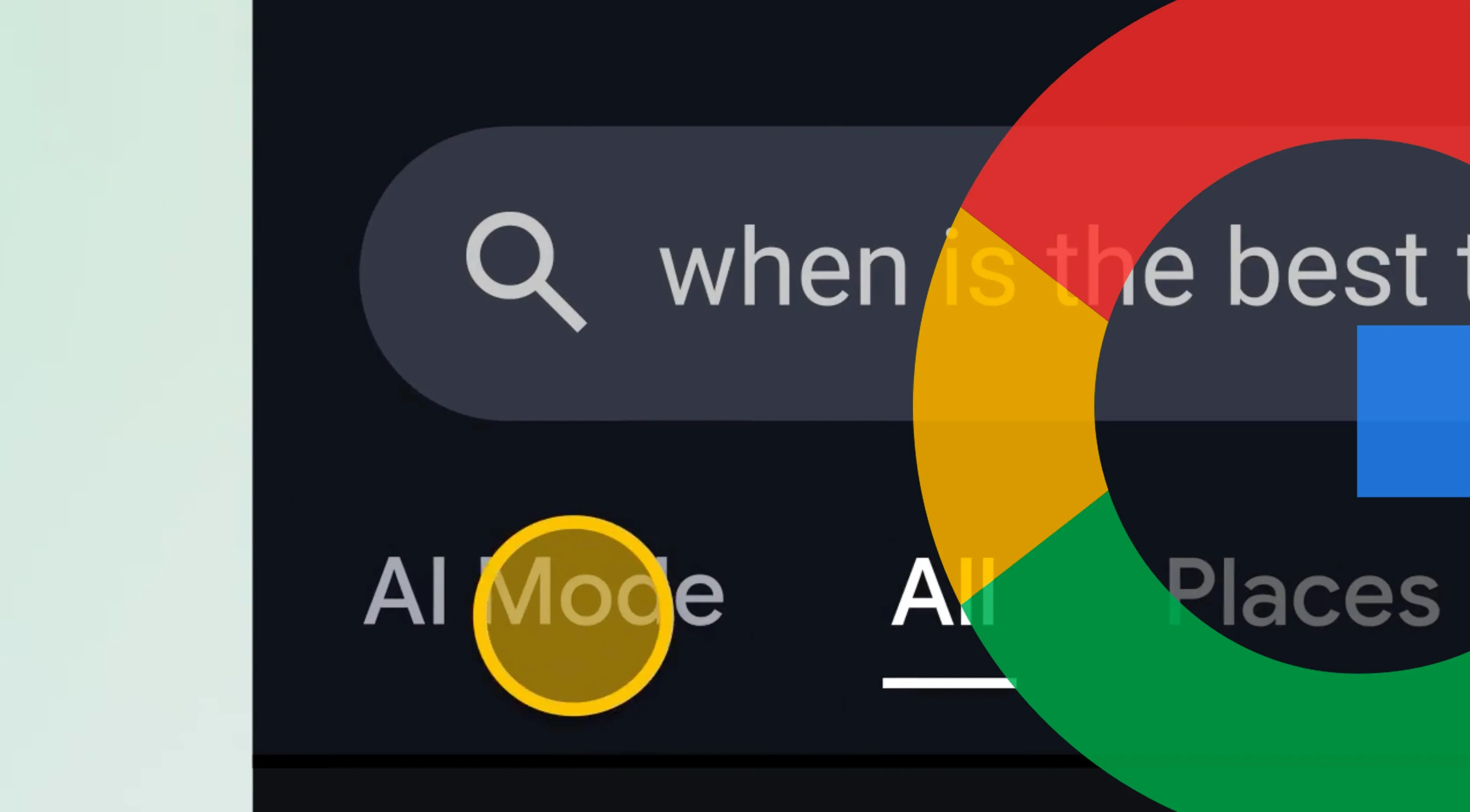 A simplified AI search bar begins to reshape user behaviour, encouraging queries answered directly by Google’s AI without clicking external links.
How to Stay Visible in the AI Era
- Use Schema Markup – Help AI extract the most relevant parts of your content
- Boost EEAT – Add bios, references and expert tone to your writing
- Focus on Intros – First 100 words often get summarised by AI
- Use Descriptive Images – These can appear in Google’s AI panels
- Own Your Traffic – Don’t depend on Google. Build channels elsewhere
Suggested External Reading
Final Thoughts
Google’s AI Mode is not just another algorithm tweak. It marks a fundamental shift in how users discover and interact with online content.
If your website isn’t structured for AI visibility, you could disappear from search even if your rankings remain strong.
But this change is not just a threat. It is also an opportunity. Businesses that adapt now by strengthening trust signals, improving content structure, and diversifying traffic sources will have a real advantage.
Search is no longer only about links. It is about clarity, authority, and being AI-ready. Now is the time to prepare.